Cryptocurrency Is More Than Just Bitcoin! Essential Knowledge About Altcoins for Beginners

"I'm interested in cryptocurrency, but what is there besides Bitcoin?" Many people have this question. As of February 2026, we are seeing signs of an "altseason," where many altcoins are gaining momentum following Bitcoin. It is precisely during times like these that understanding the role of each coin is extremely valuable. In fact, there are thousands of different coins in the cryptocurrency world, each with its own unique characteristics and roles. This article provides a clear explanation of representative altcoin types and their basic features for those new to crypto trading.
What Are Altcoins? Understanding the Types of Cryptocurrency
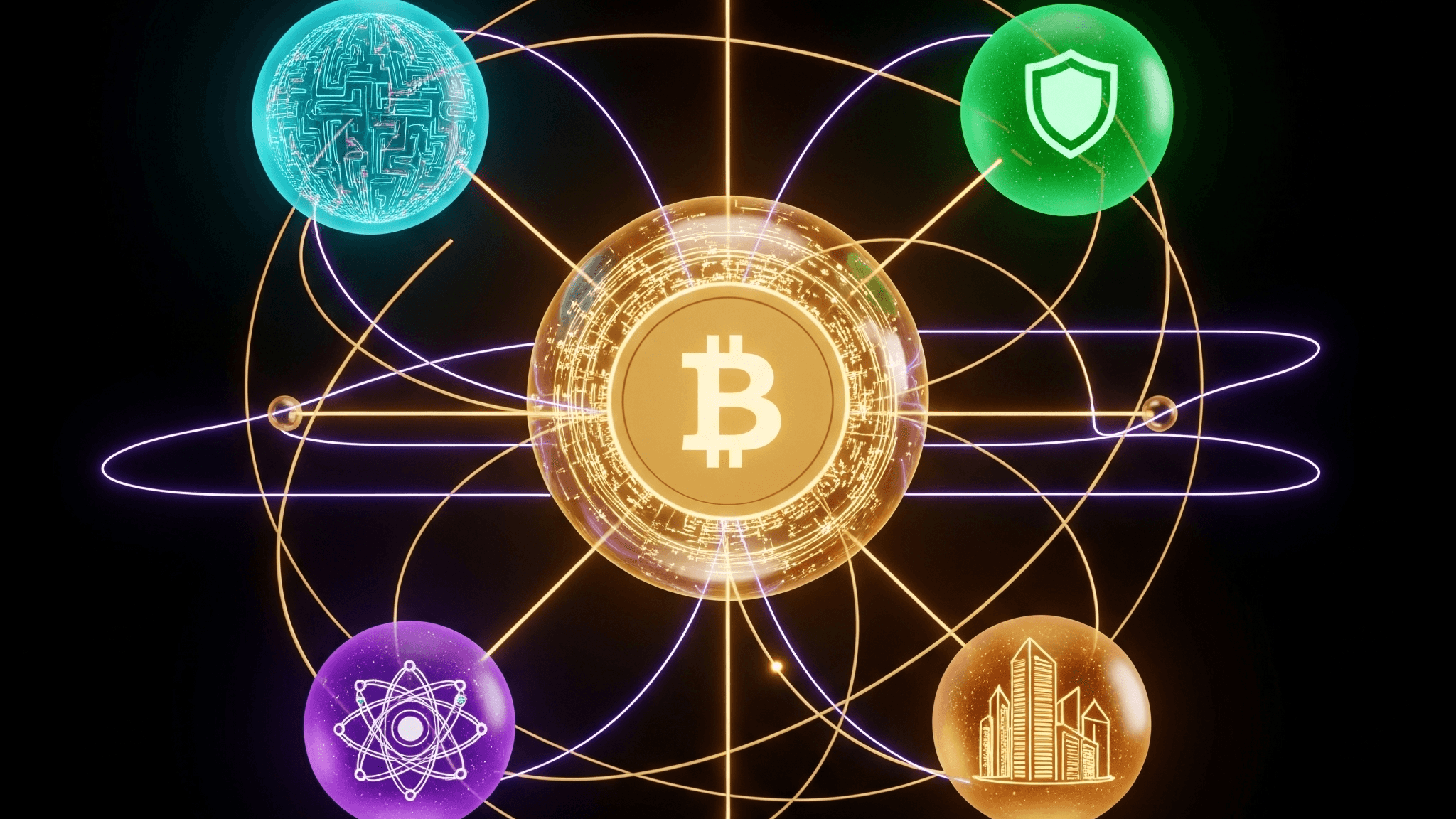
"Altcoin" is a collective term for all cryptocurrencies other than Bitcoin. The word is a combination of "Alternative" and "Coin," and there are currently thousands of them in circulation worldwide.
While Bitcoin is known as the "foundation" of crypto assets, many altcoins offer features and characteristics that Bitcoin lacks, such as faster transfers, the execution of decentralized applications, and price stabilization. Understanding the basics of altcoins is essential for learning about crypto assets.
Get to Know Representative Cryptocurrencies (Altcoins)
Comparison of Major Altcoin Features
| Ticker | Main Features/Roles | 2026 Focus Points |
| Ethereum (ETH) | Foundation for app development | Practical application through scalability improvements |
| Ripple (XRP) | Efficiency in international remittances | Expansion of partnerships with financial institutions |
| Stablecoins | Stable price (pegged to USD) | Widespread use as a payment method |
| DeSci / RWA | Tokenization of science/real-world assets | New genres like Liora ($BEAM) |
Ethereum (ETH)
Ethereum, which consistently ranks at the top of market capitalization, is more than just a crypto asset. It is designed as a platform that can run automatic execution programs called "smart contracts" and is widely used as the foundation for the DeFi and NFT markets.
While Bitcoin is called "digital gold," Ethereum is often compared to a "decentralized computer." Its greatest feature is its role as infrastructure for running various applications, rather than just for transfers.
Stablecoins (USDT, USDC, etc.)
Many people associate cryptocurrencies with extreme price volatility, but stablecoins are designed to maintain a stable price of around 1 coin = 1 dollar by pegging their value to fiat currencies like the US dollar.
Representative examples include USDT and USDC. The advantage is that by converting your assets into stablecoins when you want to lock in profits, you can keep your assets in crypto form while minimizing the risk of price fluctuations. They are also frequently used for trading on exchanges.
Ripple (XRP)
Ripple is a crypto asset developed to improve the efficiency of international remittances. Traditional international bank transfers have high fees and can take several days to arrive, but by utilizing XRP, transfers can be made within seconds at a low cost.
It has a strong track record of partnerships with financial institutions and remittance service companies, and is characterized by its high compatibility with actual business use cases. It is attracting attention as a driving force for transforming financial infrastructure due to its highly practical nature compared to other crypto assets.
Meme Coins (Dogecoin, etc.)
Meme coins, represented by Dogecoin, are crypto assets born from internet jokes (memes) or trending topics. Rather than technical innovation, their value tends to be driven by community excitement and social media buzz.
Price fluctuations are extremely large, and it is not uncommon for them to surge or plummet in a short period. If you are a beginner, it is important to be conscious of risk management. Understand that while they are highly entertaining, they are also highly speculative.
DeSci/RWA (New Genres to Watch in 2026)
Recently, in addition to existing genres, fields such as DeSci (Decentralized Science), which supports scientific research, and RWA (Real World Assets), which tokenizes real estate and other assets, are attracting attention as new types of altcoins. Efforts to realize research funding and the liquidation of physical assets via blockchain have become even more active entering 2026, and their connection to traditional finance is expanding.
Points for Beginners When Choosing Cryptocurrencies
With thousands of cryptocurrencies in existence, many people may be unsure how to take their first step. Keeping the following perspectives in mind will make it easier to find a coin that suits you.
Clarify Your Purpose
The crypto asset you should choose depends significantly on whether you are aiming for long-term asset formation, targeting profits through short-term trading, or using it as a means of remittance. Organizing your goals first is the most reliable starting point, even if it feels like a detour.
Check Market Capitalization and Liquidity
Crypto assets with large market capitalizations generally have high liquidity (ease of buying and selling) and a relatively lower risk of price manipulation. As a beginner, it is safer to start by learning from well-known, top-market-cap coins.
Don't Forget Risk Management
All crypto assets carry the risk of price fluctuation. Basic risk management principles, such as "starting within the range of your disposable income" and "not concentrating too much on a single coin," remain the same for crypto investing.
Trading Altcoins on WEEX
WEEX supports spot trading for a diverse range of crypto assets, including Ethereum and Ripple. Our simple interface and intuitive operation are designed so that even those new to crypto trading can use the platform with confidence.
We also offer a demo trading feature where you can experience the flow of trading without using real funds. If you want to try out the usability first, please give demo trading a try.

Summary
Altcoins are a major pillar of the crypto world alongside Bitcoin, and their uses and features vary by type. From platform types like Ethereum, stable types like stablecoins, practical types like Ripple, to emerging genres like DeSci and RWA, each has its own significance.
Start by understanding the characteristics of representative coins and finding a crypto asset that matches your goals. The world of crypto is evolving daily, but if you have a solid foundation of knowledge, you will naturally develop the ability to ride the waves of change.
For more specific project examples, please also check out our explanatory article on the recently trending DeSci coin, Liora Nuclear Beam ($BEAM). → What is Liora Nuclear Beam ($BEAM)? An Analysis of a Trending DeSci Coin
Disclaimer
WEEX and its affiliates provide digital asset exchange services, including derivatives and margin trading, only to eligible users in legally permitted regions. This content is for general information purposes only and is not investment advice. Please consult a professional before trading. Crypto asset trading is high-risk and you may lose all invested funds. By using WEEX services, you are deemed to have agreed to all relevant risks and terms of service. Please trade at your own discretion and within your means. For details, please check our Terms of Service and Risk Disclosure.